
Visual effects, commonly known as VFX, have become an important part of modern filmmaking, television, advertising, web series, and digital content production. From creating realistic explosions and imaginary worlds to removing unwanted objects from a scene, VFX allows artists to create visuals that may be difficult to capture using a camera alone.
For students interested in filmmaking, animation, and digital production, learning visual effects can be a way to explore creative and technical skills. If you are researching a VFX Course in Chandigarh, it is useful to understand what the course covers, which software is commonly used, and what career paths may be available after training.
Choosing the right learning programme also requires comparing practical training, faculty guidance, course content, and opportunities to build a portfolio.
What Is VFX?
Visual effects involve creating, modifying, or combining visual elements to produce a final scene. These elements may include live-action footage, computer-generated imagery (CGI), digital backgrounds, particles, and other effects.
VFX is commonly used in:
Movies and television shows
OTT platforms and web series
Advertisements and promotional videos
Music videos and entertainment content
Gaming cinematics and digital environments
Online videos and branded content
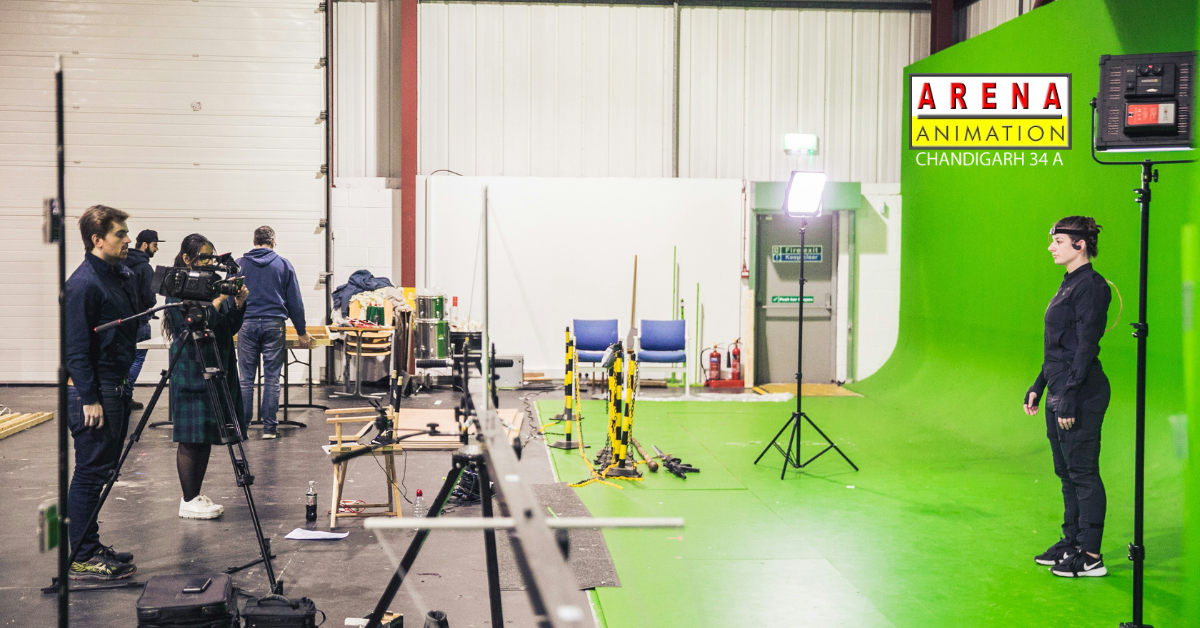
For example, a filmmaker may record an actor against a green screen and later replace the background with a digitally created environment. A VFX artist combines the footage and digital elements while matching lighting, colour, perspective, and movement to make the result look convincing.
What Will You Learn in a VFX Course in Chandigarh?
A VFX course generally introduces students to the processes used to create and integrate visual effects. The exact syllabus varies by institute, so reviewing the curriculum before enrolling is important.
1. VFX Fundamentals
Students learn about composition, perspective, lighting, colour, visual storytelling, and the role of visual effects in film production. These fundamentals help artists understand how to create believable scenes.
2. Compositing
Compositing is the process of combining different visual elements into one final shot. It may involve layering footage, adjusting colours, refining edges, adding backgrounds, and matching lighting.
3. Green Screen and Keying
Keying is used to remove a selected background colour, often green or blue, and replace it with another image or environment. This technique is widely used in film production, news studios, and digital content creation.
4. Rotoscoping
Rotoscoping involves isolating people or objects from footage by creating masks around them. It helps artists separate foreground subjects from backgrounds when automatic keying is not suitable.
5. Motion Tracking
Tracking helps artists follow the movement of a camera or object in a shot. It allows digital graphics, 3D objects, and other visual elements to appear connected to the original footage.
6. CGI and 3D Integration
Some programmes introduce students to 3D modelling, lighting, rendering, and computer-generated imagery. These techniques are useful when digital objects or environments need to be integrated into live-action footage.
Popular Software Used in VFX
VFX artists use different tools depending on the task and production pipeline. A course should explain how the software is used rather than focusing only on software names.
Software | Common applications |
|---|---|
Adobe After Effects | Compositing, motion graphics, and visual effects |
Foundry Nuke | Node-based compositing and film post-production |
Autodesk Maya | 3D modelling, animation, lighting, and rendering |
Blender | 3D modelling, animation, simulation, and rendering |
Mocha | Planar tracking and rotoscoping workflows |
Students do not need to master every tool immediately. Beginners can first learn the fundamentals and then develop skills in software that supports their preferred area of VFX.
Career Opportunities After VFX Training
After developing practical skills and building a portfolio, learners may explore different roles in visual effects and digital production. Career opportunities depend on proficiency, project experience, portfolio quality, and employer requirements.
VFX Compositor: Combines live-action footage, CGI, and other visual elements into a cohesive final shot.
Roto Artist: Creates masks to separate subjects and objects from footage.
Matchmove Artist: Tracks camera movement and scene details to support the integration of digital elements.
Motion Graphics Artist: Creates animated titles, graphic elements, and visual content for videos and advertisements.
3D Artist: Creates digital models, environments, assets, and rendered elements.
VFX Generalist: Works across multiple parts of the visual effects process, depending on project and studio requirements.
Freelance VFX Artist: Works on projects for agencies, production teams, content creators, or independent clients.
Completing a course alone does not guarantee employment. Regular practice, problem-solving, a well-presented showreel, and the ability to work with feedback are important for professional development.
How to Choose the Right VFX Institute in Chandigarh
Finding a suitable VFX Institute in Chandigarh involves more than comparing course fees or duration. Students should evaluate the learning experience and the practical opportunities available.
Check the Course Curriculum
Look for topics such as compositing, keying, rotoscoping, tracking, and CGI integration. The syllabus should clearly explain what you will learn and how your skills will progress.
Evaluate Practical Training
VFX is a hands-on discipline. Ask whether students complete individual assignments, work with real footage, and receive feedback on their projects.
Understand Software Access
Find out which software is included in the training and whether suitable computers and lab facilities are available for practice.
Review Faculty Guidance
Experienced instructors and constructive feedback can help students understand technical concepts and improve their work. Ask about the teaching approach and how projects are reviewed.
Examine Student Projects
Where possible, review student showreels and project breakdowns. These can give you a clearer idea of the type of work students practise during the programme.
Ask About Portfolio Development
A portfolio or showreel allows students to demonstrate their skills to potential employers or clients. Check whether the course includes project guidance and advice on presenting completed work.
Compare Fees and Duration
Understand the complete fee structure, course schedule, duration, equipment requirements, and any additional costs before enrolling. Also ask what career guidance is offered and avoid assuming that placement is guaranteed.
Students exploring a VFX Course in Chandigarh can review the VFX course details and compare the available information with their learning goals.
Who Can Learn VFX?
VFX may suit students who enjoy films, digital art, photography, editing, animation, and computer-based creative work. Eligibility requirements depend on the institute and programme.
Beginners can start by learning visual fundamentals and basic compositing before moving towards more advanced techniques. Students with experience in video editing, animation, or 3D design may already understand some related concepts, but specialised VFX workflows still require dedicated practice.
Frequently Asked Questions
Is a VFX course suitable for beginners?
Yes. Many introductory programmes teach the fundamentals before progressing to more advanced workflows. Check the syllabus to ensure it matches your current skill level.
Which software should I learn first?
Beginners interested in compositing and motion graphics may start with Adobe After Effects. Other workflows may involve Nuke, tracking tools, or 3D software, depending on the intended specialisation.
Do I need drawing skills to learn VFX?
Drawing skills can be useful in some creative roles, but they are not essential for every VFX specialisation. Observation, colour awareness, composition, and attention to detail are valuable across the field.
What is the difference between VFX and animation?
VFX often involves creating or modifying visuals for live-action footage, while animation focuses on creating movement in characters, objects, and environments. Both fields can overlap when 3D animation is integrated into live-action scenes.
What should I check before joining a VFX institute in Chandigarh?
Review the course curriculum, practical projects, software, faculty, lab facilities, portfolio guidance, fees, and duration. These factors can help you determine whether the programme suits your interests.
Conclusion
Visual effects combines creativity, technology, and problem-solving to create compelling visuals for films, advertisements, web series, and digital media. Learning compositing, tracking, keying, and related techniques can help students develop a foundation for further specialisation.
Before selecting a VFX Institute in Chandigarh, compare the syllabus, practical training, software access, faculty guidance, and opportunities to build a showreel. Researching these factors can help you choose a programme that aligns with your interests and long-term career goals.