
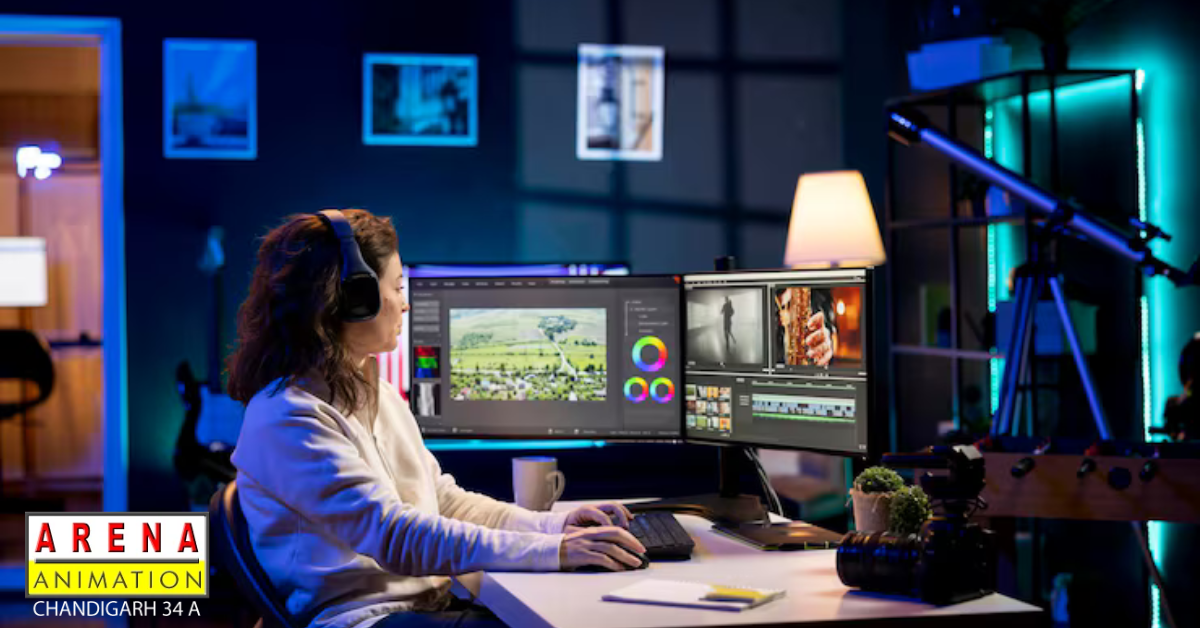
Choosing the right animation institute is an important decision for students who want to build a career in animation, visual effects, gaming, graphic design, or 3D modelling. With several training institutes offering different courses, selecting the right option can sometimes be confusing. Students should look beyond advertisements and focus on the quality of education, practical training, course structure, and career opportunities.
If you are searching for the best animation institute in Chandigarh, understanding what to check before enrolling can help you make a more informed decision. Here are ten important factors to consider before choosing an animation course.
1. Check the Course Curriculum
The first thing to examine is the course curriculum. A good animation program should cover the fundamental principles of animation before moving towards advanced techniques. Students should understand topics such as character movement, timing, composition, storytelling, modelling, texturing, lighting, and rendering.
Depending on your interests, you may also want to explore courses related to 2D animation, 3D animation, visual effects (VFX), game design, and motion graphics.
Before enrolling, review the subjects included in the program and check whether they match your career goals. A well-structured curriculum can help you develop skills progressively, from basic concepts to more advanced projects.
2. Compare Animation Course Fees and Duration
Course fees and duration are important considerations for students and parents. The cost of an animation course in Chandigarh can vary depending on the course level, training duration, software coverage, facilities, and practical learning opportunities.
Before making a decision, ask for a detailed fee structure. Check whether the quoted amount includes study materials, software training, project work, examinations, and certification, or whether additional charges apply.
You should also compare course duration across different institutes. Instead of choosing a course only because it is cheaper or shorter, consider whether the time allocated to practical training and project development is sufficient for your learning goals.
3. Evaluate Practical Training Opportunities
Animation is a skill-based field that requires consistent practice. Understanding concepts is important, but students also need opportunities to apply those concepts to real projects.
When comparing animation institutes in Chandigarh, ask how much time is dedicated to practical sessions. Find out whether students work on character animation, 3D environments, visual effects, motion graphics, or other projects relevant to their chosen specialisation.
Practical assignments help students understand the complete creative process, identify mistakes, and improve their technical abilities. Regular feedback from instructors can also make the learning process more effective.
4. Explore the Software and Tools Taught
Professional animation and design workflows use different software applications depending on the project and specialisation. For example, 3D modelling, compositing, video editing, graphic design, and game development may require different tools.
Before selecting an animation course, review the software covered in the curriculum. Check whether the training focuses on the applications relevant to your preferred career path.
However, learning software alone is not enough. Students should also understand design principles, visual storytelling, composition, lighting, and problem-solving. These foundational skills can help them adapt to different tools and workflows as technology evolves.
5. Review Faculty Experience and Teaching Methods
The quality of teaching can significantly influence the learning experience. Experienced instructors can help students understand complex concepts, solve technical problems, and develop better creative judgement.
When visiting an institute, ask about the faculty’s professional background and teaching experience. You can also enquire about class sizes, individual feedback, doubt-clearing sessions, and the availability of additional practice time.
A supportive learning environment is particularly helpful for beginners who may have little or no previous experience with animation or design software.
6. Check Student Projects and Portfolio Development
A portfolio is an important way for aspiring animators, designers, and VFX artists to demonstrate their abilities. It allows potential employers and clients to evaluate a student’s creativity, technical skills, and understanding of visual communication.
Before enrolling, ask whether the institute helps students develop a portfolio during the course. Review examples of student projects, such as animated sequences, 3D models, visual effects shots, graphic design layouts, or video editing work.
The objective should be to develop original projects that demonstrate your skills rather than simply completing classroom exercises. A strong portfolio can help students communicate their abilities when applying for internships, entry-level positions, or freelance opportunities.
7. Understand Career Guidance and Placement Support
Students often consider career opportunities when selecting an animation institute. However, placement assistance and guaranteed employment are not the same thing.
Ask the institute what career support it provides. This may include resume preparation, portfolio reviews, interview practice, internship information, industry interactions, or job application guidance.
If placement assistance is advertised, ask about the process and the information available regarding previous student outcomes. Understand the eligibility requirements and whether support depends on attendance, performance, portfolio quality, or other factors.
Remember that career opportunities depend on several factors, including individual skills, project quality, communication, experience, and industry demand.
8. Visit the Institute and Check the Facilities
A campus visit can help you understand the learning environment before enrolling. During your visit, check the computer systems, classroom facilities, available software, practice arrangements, and general infrastructure.
Animation and VFX projects can require substantial computing resources, especially when working with complex 3D scenes, rendering, simulation, and high-resolution video files.
Ask whether students can access the required systems during practical sessions and whether additional practice facilities are available. You can also speak with current students, if possible, to understand their experiences with teaching, assignments, and project work.
9. Consider Your Interests and Career Goals
Not every student wants to pursue the same creative career. Some may be interested in character animation, while others prefer 3D modelling, visual effects, game design, graphic design, or video production.
Before choosing a course, identify the areas that interest you most. If you are unsure, explore introductory lessons, software demonstrations, student projects, and different career roles.
You should also check the eligibility criteria, course prerequisites, and educational requirements before enrolling. Students who have completed Class 12 may find several training options, depending on their interests and the institute’s admission requirements.
Choosing a program that aligns with your interests can make it easier to stay motivated and develop specialised skills over time.
10. Compare Institutes Before Making a Final Decision
Finally, compare multiple institutes instead of making a decision based only on advertisements, discounts, or brand recognition. Prepare a checklist covering curriculum, fees, duration, practical training, software, faculty, facilities, student projects, and career guidance.
For students exploring animation courses in Chandigarh, comparing available programs can provide a clearer understanding of the training options and learning environments.
For example, you can review the course information available from Arena Animation Sector 34A Chandigarh alongside other local options. Examine the curriculum, facilities, training structure, and course details to determine whether a particular program matches your needs.
Take time to ask questions and understand the terms before making a financial commitment.
Frequently Asked Questions (FAQs)
Which factors should I consider when choosing an animation institute in Chandigarh?
Consider the course curriculum, practical training, software coverage, faculty experience, fees, duration, facilities, student portfolios, and career guidance before enrolling.
What should I learn in an animation course?
Depending on your specialisation, an animation course may cover animation principles, 2D or 3D animation, modelling, texturing, lighting, rendering, visual effects, storytelling, and project development.
Is an animation course suitable after Class 12?
Students can explore animation courses after Class 12, depending on the institute’s eligibility criteria and the program they wish to pursue. Reviewing the course requirements can help determine the appropriate option.
How important is a portfolio for an animation career?
A portfolio is important because it demonstrates your practical abilities, creativity, and understanding of animation or design workflows. Original projects can help you showcase your skills to potential employers and clients.
How can I compare animation course fees in Chandigarh?
Request detailed fee structures from different institutes and compare the curriculum, duration, practical training, software coverage, facilities, and any additional charges instead of looking at the total fee alone.
Conclusion
Choosing the right animation institute requires research, comparison, and a clear understanding of your career goals. By evaluating the curriculum, course fees, practical training, software, faculty, facilities, portfolio development, and career guidance, you can make a more informed decision.
If you are exploring the best animation institute in Chandigarh, take time to compare available programs and ask questions before enrolling. Focus on the skills you want to develop, the quality of practical learning, and the kind of creative work you hope to pursue in the future. A thoughtful decision at the beginning of your learning journey can help you build a stronger foundation for a career in animation, VFX, gaming, or digital design.